The Pixel Game Buttons Asset: Your Gateway to Authentic Retro UI Design
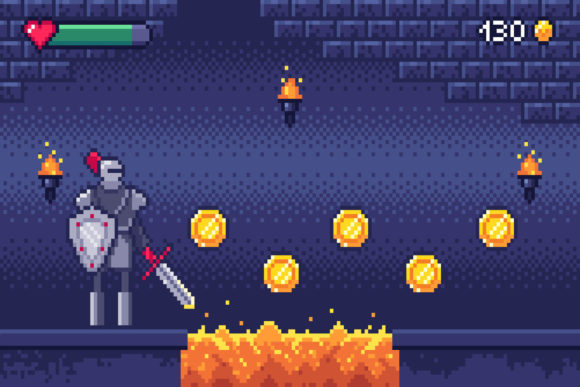
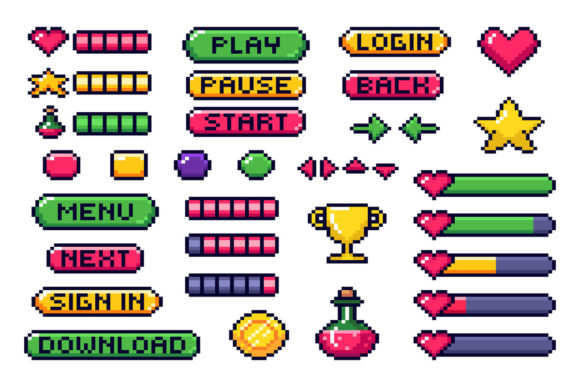
For creators crafting digital worlds with a nostalgic heart, the right visual toolkit is everything. Pixel Game Buttons, a meticulously crafted set of vector symbols encompassing everything from gaming controller arrows to digital pixelated lives bars, offers a direct path to authentic 8-bit aesthetic. It’s more than just a graphic pack; it’s a foundational element for game UI, promotional materials, educational resources, or any project needing that unmistakable retro charm. However, the journey from downloading this asset to achieving professional results is often littered with subtle pitfalls that can compromise your entire project’s feel and functionality.
Beyond the Preview: Understanding the Vector Core
A common and costly oversight is judging Pixel Game Buttons solely by the provided JPEG preview. That 72ppi JPEG is a convenient visual reference, but your creative power lies entirely in the accompanying EPS10 vector file. This mistake leads directly to quality issues. If you attempt to use or scale the low-resolution preview image in your project, you'll encounter blurry edges, lost detail, and a presentation that screams amateurism, especially in print or high-definition digital displays. The vector format is your safeguard; it allows infinite scaling without quality loss, perfect isolation of individual elements like that menu button or magic items icon, and effortless editing of colors and shapes.
The practical correction is simple: always begin your work in a vector editor like Adobe Illustrator. Open the EPS10 file immediately. This allows you to truly assess the asset's structure—seeing how the 8-bit pixels button is constructed, how the game pixel art elements are layered. Before you even place a single element into your game interface or website banner, inspect the vector file's layers. Can you easily separate the controller arrows from the main button set? Is the lives bar a single object or grouped components? This initial investigation prevents hours of frustrating work later.
The Trap of Generic Application
Another frequent misunderstanding is treating Pixel Game Buttons as a one-size-fits-all solution. Dropping these pixel-perfect icons onto a sleek, modern UI without adaptation creates visual dissonance that confuses users and weakens your design's message. The asset is designed for cohesion within a pixel-art environment. A mistake here affects communication and user satisfaction. For instance, using a pixelated, four-directional gaming controller arrow in a hyper-realistic 3D game’s tutorial screen would feel jarring and unintuitive, breaking the player's immersion.
A better approach is to let Pixel Game Buttons define your project's visual theme, not just decorate it. Build your color palette, typography, and background textures around the asset's inherent style. If you need to integrate it into a less retro project, consider thoughtful modification. Use your vector editor to subtly adapt the icons—perhaps simplifying the pixel density or adjusting the color saturation to create a hybrid “retro-modern” look that feels intentional, not accidental.
Overlooking Context and Functionality
Creators often focus on the aesthetic of Pixel Game Buttons and overlook their functional role as UI components. Each symbol, from a start menu button to a health bar, carries established user expectations. A mistake is using a pixel art "save" icon that users don't recognize because its design deviates too far from conventional symbols. This impacts usability and efficiency, slowing down your audience and causing frustration.
Your practical checklist should include a functionality audit. Map each button and icon from the set to a clear action or piece of information in your project. Does that glowing pixel orb effectively communicate "magic item" to your players? Does the button design provide enough visual feedback for interactive states? Test these elements in context, even as simple wireframes, before finalizing. This ensures the asset enhances interaction, not just decoration.
The Licensing and Adaptation Blind Spot
Professionals, entrepreneurs, and marketers must pay particular attention to the terms of use for assets like Pixel Game Buttons. The ability to remove or edit elements in a vector editor is a powerful freedom, but it does not automatically grant unrestricted commercial use. A critical error is assuming that because you can separate elements, you can then resell them as your own standalone product or use them in branding for a large corporate entity without verifying the license.
Always confirm the license details before integration. Can you use the edited assets in a commercial video game? In a product logo? In a template you sell to others? This due diligence protects your project from legal complications and ensures ethical creation. If the license is unclear, seek clarification or consider purchasing a more explicit commercial license. It's a small step that safeguards your entire endeavor.
Technical Preparation: Setting Up Your Workflow
Before you even download Pixel Game Buttons, assess your technical readiness. The requirement to use a vector editor is not a suggestion. Attempting to edit the EPS10 file with standard photo editing software will lead to a corrupted, flattened mess, destroying the scalable utility you paid for. This mistake costs time and can force you to abandon the asset entirely.
Ensure you have access to and a basic understanding of vector software like Adobe Illustrator, Affinity Designer, or a robust open-source alternative. Familiarize yourself with core functions: ungrouping objects, using the pen and selection tools, modifying anchor points. This preparation turns the asset from a static image into a dynamic toolkit. You’ll be able to not just use the isolated symbols set, but truly craft it to your needs—creating unique combinations, animating individual components for digital projects, or extracting a single perfect icon for a blog’s featured image.
The journey with Pixel Game Buttons, from that first glance at the game pixel art preview to the final polished integration, is one of empowered creativity. By avoiding these common errors—neglecting the vector file, applying it generically, ignoring functional context, misunderstanding licensing, and lacking technical setup—you shift from simply using a graphic to mastering a visual language. You unlock the ability to build interfaces, marketing materials, and educational content that resonate with clarity, nostalgia, and professional polish. Start in Illustrator, think in systems, and let those pixelated buttons serve not just as art, but as intelligent, effective design.