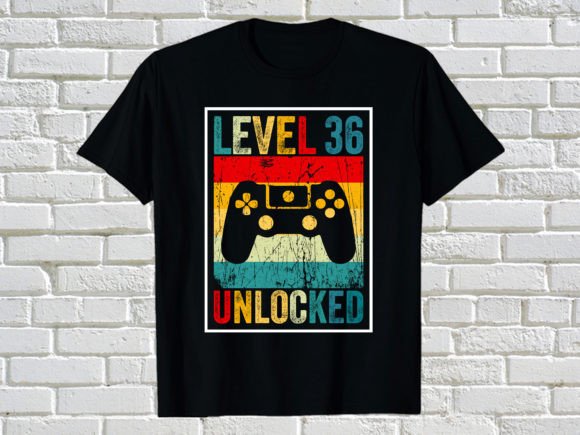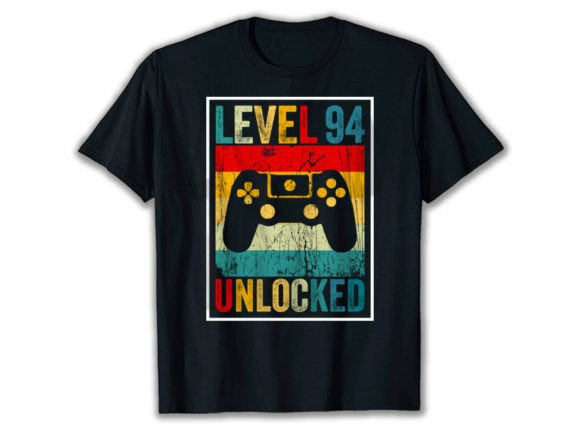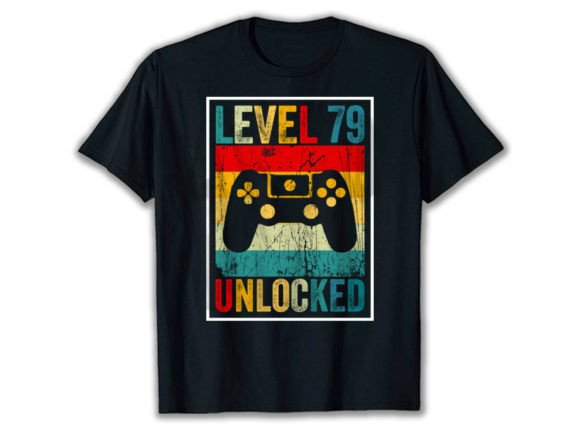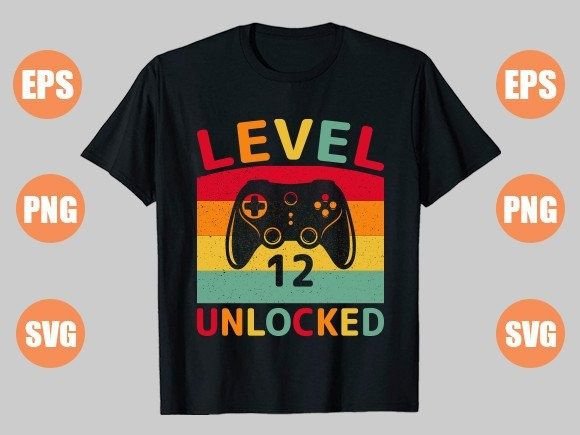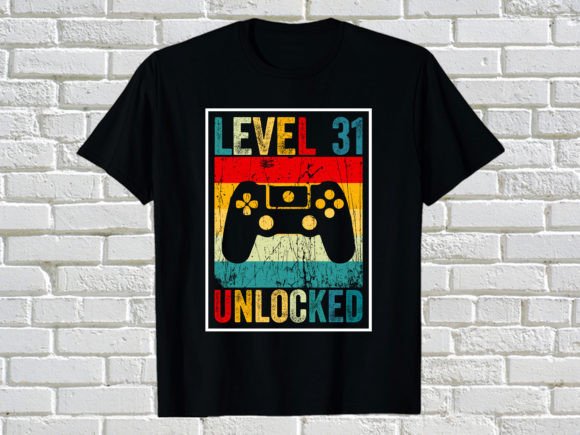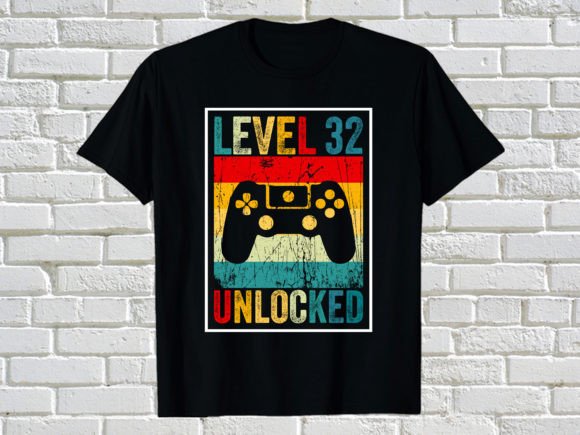
Level 32 Unlocked: The Vintage Gaming T-Shirt Design for Creative Projects
For creators, entrepreneurs, and hobbyists looking to tap into the nostalgia of gaming culture, LEVEL 32 UNLOCKED presents a compelling digital asset. This vintage-inspired t-shirt design file package isn't just a graphic; it's a versatile toolkit for producing custom merchandise. However, successfully leveraging such a resource requires a clear understanding of what you're buying and how to use it effectively. Missteps in the process can lead to wasted time, subpar print quality, and ultimately, a product that doesn't meet your expectations or your audience's standards.
Understanding the Files: Beyond Just a PNG
The provided file list—EPS, SVG, PNG, DXF—is more than a simple download. Each format serves a distinct professional purpose, and a common oversight is treating the PNG as the primary or only usable file. While the PNG is a convenient, ready-to-use raster image, its fixed resolution limits scalability. Attempting to enlarge a PNG for a large poster or banner can result in a blurry, pixelated print, which is a frequent and costly error for beginners.
The true value lies in the vector files: EPS and SVG. As noted, the design is made with 100 vector shapes. This means every element is defined by mathematical paths, not pixels. You can resize these files to any dimension—from a small mug logo to a large wall poster—without any loss of quality. Before you even extract the ZIP file, understand that your core asset for scalable, professional projects will be the EPS or SVG. The PNG is best suited for quick digital mockups or applications where exact, pre-set sizing is already determined.
The Critical Pre-Use Checklist
Downloading a design file feels straightforward, but a few preparatory steps can prevent significant headaches.
First, verify your software compatibility. The package mentions EPS 10 and SVG files. If you plan to edit colors or modify the design, as the description suggests is possible, you need vector-editing software like Adobe Illustrator, Affinity Designer, or CorelDRAW. Free alternatives like Inkscape can also handle SVG files. Attempting to edit an EPS file with a basic photo editor like Photoshop will lead to frustration; you'll likely just be placing the rasterized graphic, not manipulating the individual vector shapes.
Second, confirm the color mode for your project. The files are RGB. This is perfect for digital displays and certain digital printing methods. However, if your final product is intended for traditional apparel printing using screen printing or specific CMYK commercial printers, a color mode conversion may be necessary. RGB colors can sometimes appear differently when converted to CMYK. Professionals check this with their printer service beforehand to ensure color accuracy on the final shirt or poster.
Common Application Mistakes and Better Approaches
A typical mistake is applying the design directly to a product mockup without considering context and composition. The LEVEL 32 UNLOCKED design has a specific aesthetic. Placing it haphazardly on a bag or pillow, without adjusting size or position relative to the product's seams and dimensions, can make the final item look amateurish. A better approach is to use the vector files to create a tailored template. Resize and position the graphic within the actual print area of your chosen product—a t-shirt's center chest, a mug's curved surface—before sending it to production.
Another overlooked detail is the 300 dpi note. This refers to the PNG file's resolution. DPI (dots per inch) is crucial for print clarity. Always ensure that any raster image you send for printing, if you're not using the vectors, is set to at least 300 dpi at the final print dimensions. Submitting a 72 dpi web image for a physical print is a guaranteed way to receive a low-quality, fuzzy output.
Maximizing Versatility Without Diluting the Brand
The description lists many applications: T-Shirts, Mugs, Pillows, Bags, Poster Cards, and more. The thrill of versatility can lead to a scattered product line. A more strategic approach is to consider your audience and brand coherence. For a small business owner, perhaps start with one core product—like t-shirts—using the LEVEL 32 UNLOCKED design. Test its market reception. Then, use the easily resizable vector files to adapt the graphic for complementary items, like stickers or posters, maintaining a consistent visual identity across your merchandise. This focused scaling is more effective than immediately printing a dozen different items without a sales strategy.
Furthermore, the "easy to change colors" feature is a powerful tool for creating product variations. A common error is making drastic, disharmonious color changes that clash with the vintage gaming vibe of the original design. A better practice is to use color theory basics: create palettes that complement the existing tone. For example, shifting the accent colors to different shades of retro cyan or magenta can yield fresh variants that still feel authentic to the source material, appealing to different customer preferences while staying on-brand.
Final Advice Before You Begin Your Project
Before committing this design to a production run, take these final practical steps:
- Extract and inspect all files. Use the recommended WinZIP or WinRAR, or your operating system's built-in tool, to open the ZIP package. Examine each file format in the software you intend to use to ensure they open correctly and are fully editable.
- Create a test print. Whether you're printing yourself or using a service, order a single sample on the actual material (e.g., a t-shirt). This verifies color reproduction, size appropriateness, and overall quality on the final medium.
- Clarify licensing if scaling commercially. While typically such designs are sold for personal and commercial use, if your project grows significantly, it's prudent to review the purchase terms to ensure your usage scale is covered.
LEVEL 32 UNLOCKED is a high-quality digital design resource that, when used with informed care, can produce outstanding merchandise that resonates with gaming enthusiasts and vintage style lovers. By focusing on the vector files, understanding your print requirements, and applying the design strategically, you can avoid the common pitfalls that undermine creative projects and instead unlock a level of professional, satisfying results.